

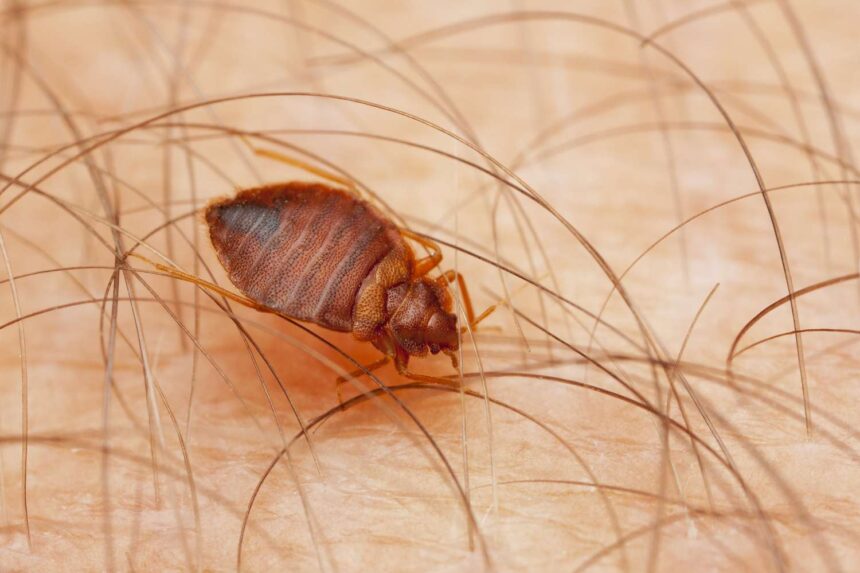
Bed bugs are tiny insects, but discovering them in your home can feel like a major problem. Many people immediately wonder, “Where do bed bugs originate from?” Did they come from a hotel, another person, used furniture, pets, or somewhere outside?
The answer may be surprising: bed bugs don’t necessarily originate from dirty or unclean homes. They are highly effective hitchhikers that can travel from one location to another on luggage, clothing, furniture, bedding, and other belongings.
In this guide, you’ll learn where bed bugs come from, how they enter homes, where they hide, how infestations spread, and what you can do to prevent them. You’ll also learn how to distinguish bed bugs from other common household pests and what to do if you suspect an infestation.
Where Do Bed Bugs Originate From?
Modern bed bugs are believed to have evolved from insects that originally fed on bats and other animals in caves. As humans began using caves and later living in close proximity to animals, bed bugs adapted to feed on humans.
Today, the common bed bug (Cimex lectularius) is primarily associated with humans and is found in many parts of the world.
Importantly, bed bugs don’t spontaneously appear. If you discover bed bugs in your bedroom, they almost certainly arrived from another location or were brought in on an infested item.
They are excellent at hiding and can survive extended periods without feeding, allowing them to travel unnoticed.
How Do Bed Bugs Get Into Your Home?
Bed bugs are not typically flying insects. Instead, they spread by hitchhiking.
An adult bed bug is only a few millimetres long, and young bed bugs can be even harder to notice. They can hide in seams, cracks, folds, and crevices before being transported to a new location.
Common ways bed bugs enter homes include:
- Luggage after traveling
- Clothing and bags
- Used mattresses
- Secondhand furniture
- Used couches and chairs
- Backpacks and purses
- Moving boxes
- Bedding and linens
- Items brought from an infested home
- Shared laundry or storage areas
This is why an infestation can occur even in a clean, well-maintained home.
Can Bed Bugs Come From Outside?
It’s possible for bed bugs to be introduced from outside the home, but they generally aren’t outdoor pests in the same way fleas or ticks are.
Bed bugs prefer environments where they can remain close to a food source. Human sleeping and resting areas provide ideal conditions because people remain relatively stationary for long periods.
If you see an insect that looks like a bed bug outside, don’t automatically assume you’ve discovered the source of an infestation. Proper identification is important because several insects can look similar.
Can Bed Bugs Come From Hotels?
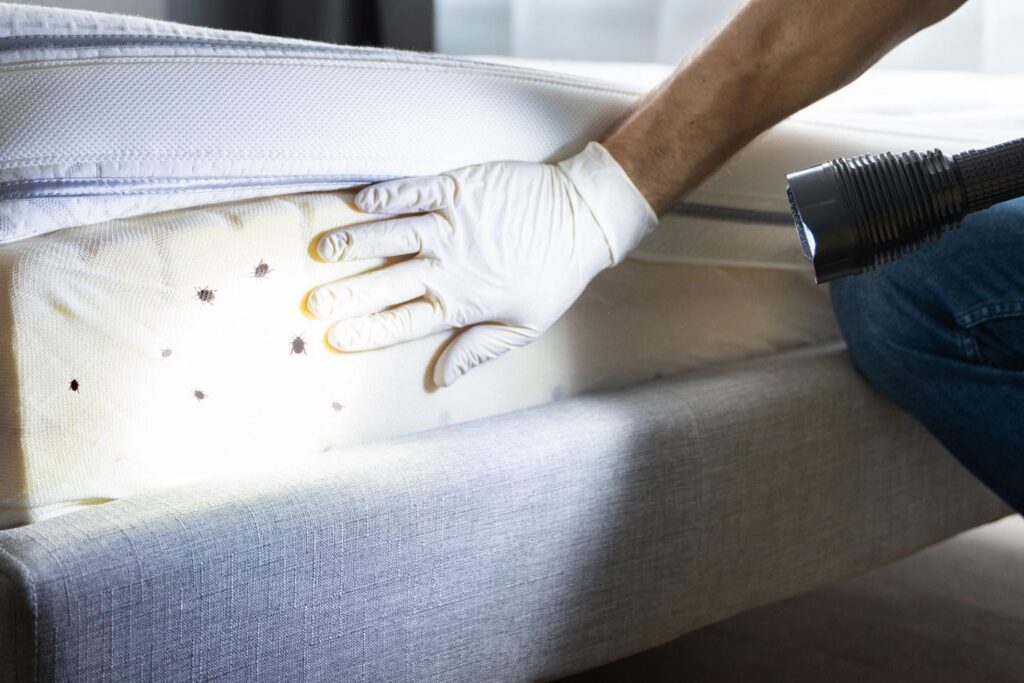
Yes. Hotels and other accommodations can be places where bed bugs are picked up and transported to another location.
A bed bug doesn’t need to infest your hotel room permanently to travel home with you. It may crawl into luggage, clothing, or another personal item.
When traveling, consider these precautions:
- Inspect the mattress seams and nearby furniture when you arrive.
- Keep luggage away from beds and upholstered furniture when practical.
- Avoid leaving clothing scattered around the room.
- Inspect luggage before bringing it back into your bedroom.
- Wash and dry suitable clothing after returning home.
- Follow the manufacturer’s care instructions for luggage and clothing.
Travel doesn’t automatically mean you’ll encounter bed bugs, but a few precautions can reduce your risk.
Can Bed Bugs Come From Used Furniture?
Yes. Secondhand furniture can introduce bed bugs into a home, particularly upholstered furniture, mattresses, bed frames, and items with numerous cracks or hiding places.
Before bringing used furniture indoors:
- Examine seams and folds carefully.
- Check underneath and behind the furniture.
- Look for live insects.
- Look for dark spotting or other signs of infestation.
- Inspect cracks, joints, and screw holes.
- Consider professional inspection if you’re uncertain.
Mattresses and upholstered furniture deserve particular caution because they provide numerous hiding places.
If you cannot confidently establish that a used mattress or upholstered item is pest-free, bringing it into your home may not be worth the risk.
Can Bed Bugs Come From Another Person?
Yes, but there’s an important distinction.
Bed bugs don’t live on people like head lice. They generally hide in the environment and emerge to feed. However, a person can accidentally transport bed bugs or their eggs in luggage, clothing, bags, furniture, or other belongings.
For example, someone visiting an infested home could unknowingly carry a bed bug inside a bag or jacket.
This means blaming a person for an infestation isn’t necessarily helpful. Bed bugs are hitchhikers, not an indication that someone is dirty.
Do Bed Bugs Come From Dirt or Poor Hygiene?
No.
One of the biggest bed bug myths is that they are caused by poor cleanliness.
Bed bugs can infest:
- Clean apartments
- Luxury hotels
- Offices
- Dormitories
- Houses
- Public transportation
- Hospitals and other facilities
Cleaning can help eliminate clutter and make inspection easier, but ordinary household cleanliness doesn’t prevent bed bugs from being introduced.
This is one reason bed bug infestations can be so frustrating: anyone can encounter them.
Where Do Bed Bugs Hide?
During the day, bed bugs generally hide in dark, protected locations.
Their preferred hiding places are often close to where people sleep or rest.
Look around:
- Mattress seams
- Box springs
- Bed frames
- Headboards
- Nightstands
- Cracks in walls
- Baseboards
- Furniture joints
- Upholstered furniture
- Behind loose wallpaper
- Electrical or wall crevices
- Clutter near sleeping areas
As an infestation becomes more established, bed bugs may spread farther away from the bed.
What Do Bed Bug Hiding Places Look Like?
A careful inspection may reveal more than live insects.
Possible signs include:
- Small dark spots
- Shed skins
- Pale eggs or eggshells
- Tiny reddish stains
- Live bed bugs
- Multiple insects clustered in protected areas
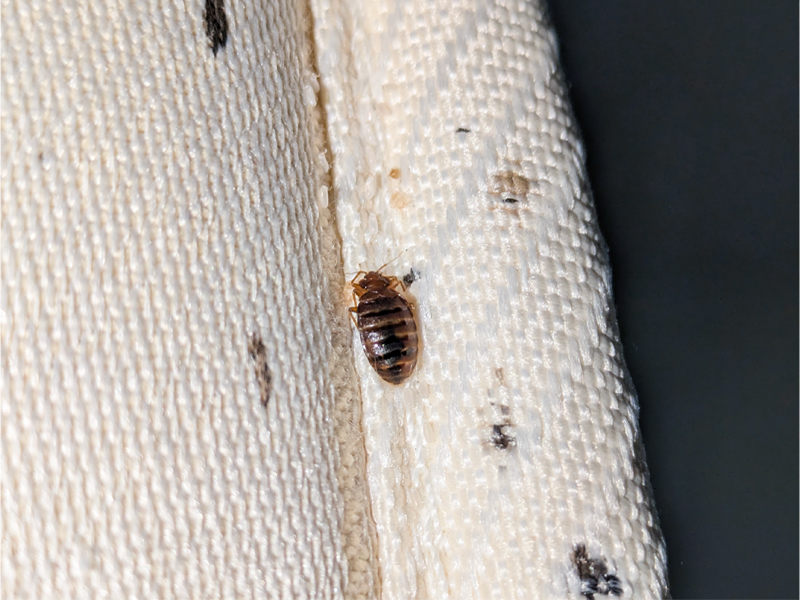
However, individual signs aren’t always enough to confirm an infestation. Other insects and household debris can look similar.
When possible, have suspected specimens professionally identified.
How Fast Can a Bed Bug Infestation Spread?
Bed bugs can reproduce and establish populations over time, but the speed varies depending on temperature, food availability, access to hiding places, and other environmental factors.
A small number of insects can become a much larger problem if they’re not detected and controlled.
That’s why early detection matters.
If you notice suspicious bites, insects, stains, or shed skins, investigate rather than assuming the problem will disappear on its own.
Can Bed Bugs Live on Your Body?
Generally, no.
Bed bugs feed on blood, but they typically don’t remain attached to the body after feeding. Instead, they hide in nearby environments and emerge when a person is resting.
This is different from parasites such as lice, which spend much of their lives on a host.
Because bed bugs can hide in belongings, however, they may be transported from one location to another without the person realizing it.
Can Pets Bring Bed Bugs Into the House?
Pets are not usually considered the primary source of bed bug infestations.
Bed bugs prefer feeding on humans, although they may bite animals when humans aren’t readily available.
A pet could potentially come into contact with an infested environment or carry an insect indirectly, but don’t assume your dog or cat is the source simply because bed bugs have appeared.
If you suspect bed bugs, investigate the surrounding environment rather than focusing exclusively on your pet.
Common Signs of a Bed Bug Infestation
Finding bites alone doesn’t prove you have bed bugs.
Bed bug bites can look similar to bites or skin reactions caused by other insects and conditions. Some people also don’t develop noticeable reactions.
Instead, look for a combination of evidence.
1. Live Bed Bugs
Adult bed bugs are typically reddish-brown and oval-shaped. After feeding, their appearance can change.
Young bed bugs are smaller and lighter in color, which can make them difficult to identify.
2. Dark Spots
Small dark marks may appear on mattresses, sheets, bed frames, or nearby surfaces.
These can be associated with bed bug feces, but other substances can create similar marks.
3. Shed Skins
As young bed bugs grow, they shed their outer skins. These discarded skins can sometimes be found around hiding areas.
4. Eggs
Bed bug eggs are tiny and pale. They can be difficult to spot without close inspection.
5. Unexplained Bites
Some people notice itchy marks after sleeping.
However, bites aren’t a reliable diagnostic tool by themselves. A professional inspection or identification of the insect is much more useful.
How to Prevent Bed Bugs
The best prevention strategy is to reduce opportunities for bed bugs to hitchhike into your home.
Be Careful When Traveling
Inspect hotel rooms and keep luggage away from beds where practical.
After returning home, inspect your luggage and consider laundering appropriate clothing promptly.
Inspect Secondhand Items
Before bringing used furniture into your home, inspect it thoroughly.
Pay special attention to:
- Seams
- Cracks
- Joints
- Undersides
- Drawers
- Upholstery
- Mattress edges
Reduce Clutter
Clutter doesn’t cause bed bugs, but excessive clutter can give pests additional hiding places and make inspection and treatment more difficult.
Keeping floors and areas around beds reasonably organized makes it easier to notice signs of an infestation.
Inspect After Potential Exposure
If you’ve stayed somewhere with a known bed bug problem or brought home secondhand furniture, inspect your belongings and sleeping area carefully.
Early detection can make treatment easier.
What Should You Do If You Find Bed Bugs?
Don’t panic, and don’t immediately throw away your mattress or furniture.
First, confirm the identification if possible.
Then:
- Avoid moving potentially infested furniture into other rooms.
- Don’t relocate to another bedroom without a plan, as this can spread the infestation.
- Carefully inspect nearby sleeping areas.
- Wash and dry suitable bedding and clothing according to care instructions.
- Reduce clutter around affected areas.
- Consider contacting a qualified pest management professional.
- Follow a treatment plan consistently rather than relying on a single quick fix.
Bed bug control often requires careful inspection and repeated monitoring because eggs and hidden insects can survive initial treatment.
Common Bed Bug Mistakes to Avoid
Don’t Rely Only on Bug Sprays
Randomly spraying household pesticides may not solve the underlying problem and can sometimes create additional risks.
Use pest-control products only according to their labels and consider professional help when appropriate.
Don’t Sleep in Another Room Without a Plan
Moving to another bedroom may seem logical, but it can potentially encourage bed bugs to follow their food source and spread the infestation.
Don’t Throw Everything Away
Replacing mattresses, clothing, and furniture can become extremely expensive.
Many belongings can potentially be treated or preserved. Determine the appropriate approach before discarding items.
Don’t Assume a Clean Home Is Safe
Cleanliness is not a guarantee against bed bugs. Prevention is primarily about avoiding accidental introduction and detecting infestations early.
Frequently Asked Questions
Where do bed bugs originate from?
Bed bugs are believed to have evolved from insects associated with bats and other animals in caves before adapting to feed on humans. Today, they are widely distributed and primarily spread between locations by hitchhiking on belongings.
What is the main cause of bed bugs?
The immediate cause of a household infestation is usually the introduction of bed bugs or their eggs from another location. They can arrive on luggage, clothing, furniture, bedding, bags, or other belongings.
Do bed bugs come from being dirty?
No. Bed bugs are not caused by poor hygiene or an unclean home. They can infest clean homes, hotels, apartments, dormitories, and other environments.
Can bed bugs come from hotels?
Yes. Travelers can accidentally transport bed bugs from an infested hotel or other accommodation in luggage, clothing, and personal belongings.
How do you get rid of bed bugs permanently?
Effective bed bug control typically requires careful inspection, appropriate treatment, and follow-up monitoring. Because bed bugs can hide in difficult-to-reach areas and eggs may survive initial treatment, professional pest-control assistance can be valuable for established infestations.
Conclusion
So, where do bed bugs originate from? Their evolutionary history goes back thousands of years, but the bed bugs found in modern homes usually arrive from another location rather than appearing spontaneously.
They are highly effective hitchhikers that can travel in luggage, clothing, furniture, bedding, and other belongings. Hotels, used furniture, shared living environments, and infested locations can all provide opportunities for them to spread.
The good news is that understanding how bed bugs travel makes prevention easier. Inspect secondhand furniture, take sensible precautions while traveling, keep clutter manageable, and investigate suspicious signs early.