

Do you often feel drained by busy tourist spots, loud environments, or packed travel itineraries? Many introverts and empaths adore the magic of discovering new places, yet struggle with overstimulation, social pressure, and constant activity. Travel doesn’t have to feel exhausting—when planned with intention, it can be deeply restorative.
This guide offers practical, calming suggestions to help you travel in a way that protects your energy, nourishes your inner world, and lets you enjoy every moment at your own pace.
How to Travel Without Getting Tired
Travel becomes peaceful when you work with your energy, not against it.
Travel at Quiet Times
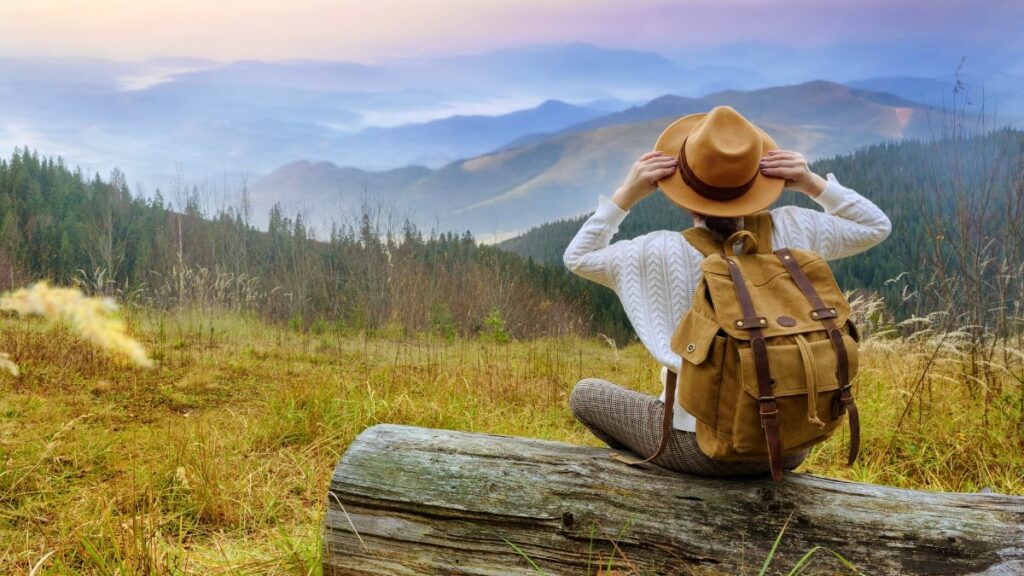
Sensitive travellers thrive in stillness. Visiting places early in the morning, on weekdays, or during the off-season can transform your experience. Fewer crowds mean gentler energy, slower movement, softer noise levels, and more space for you to breathe and observe.
Take Regular Breaks

Avoid the pressure to “do everything.” Instead of rushing from one attraction to another, give yourself permission to pause. Find a quiet café, a shaded tree, or a calm corner of a museum. Even 10–15 minutes of stillness can reset your nervous system and prevent sensory overload.
Choose Depth Over Speed

Instead of cramming your schedule with dozens of activities, focus on a few meaningful experiences. Skip the large group tours and opt for self-guided exploration, small workshops, or quiet walking paths. A slow, intimate moment often has a greater impact than a busy day filled with fleeting experiences.
Best Quiet Places for Sensitive Travellers
Not all destinations offer the same emotional atmosphere. Some naturally help you relax, settle your thoughts, and feel grounded.
These types of places tend to be ideal for introverts and empaths:
- Small beach towns with gentle waves and quiet shorelines
- Forest cabins where you can disconnect and breathe in nature
- Mountain retreats offering space, silence, and stunning views
- Art villages filled with creativity, community, and calm
- Lakeside cottages are perfect for reading, meditating, or writing
These environments help you clear mental clutter, connect to your inner world, and truly rest.
What to Pack for Comfortable, Low-Stress Travel
A thoughtfully packed bag can feel like a portable sanctuary.
Bring items that soothe your senses and help you stay regulated:
- Noise-cancelling headphones to block loud environments
- A comforting object, like a smooth stone, charm, or small plush
- A journal for processing emotions or capturing quiet moments
- Calming essential oils, such as lavender or eucalyptus
- A soft scarf or blanket to wrap around yourself on buses, planes, or in unfamiliar spaces
The goal is to create a sense of safety and familiarity, regardless of your location.
Empath vs. Introvert: What’s the Difference?
Many people identify as both, but each trait brings its own needs.
Empaths
- Choose destinations based on the emotional “vibe”
- Feel deeply affected by crowded or chaotic environments
- Benefit from nature-rich settings with gentle sensory input
- Prefer meaningful, heart-centred interactions
Introverts
- Need frequent alone time to recharge
- Avoid overstimulating places with heavy noise or social pressure
- Enjoy quiet spaces like libraries, parks, and empty trails
- Prefer solo or small-group travel
If you resonate with both, look for destinations that offer solitude, natural beauty, and a slower pace.
How to Plan a Calm, Low-Stress Trip
A peaceful experience begins long before your trip starts.
- Build slow days with lots of free time and flexible plans.
- Limit yourself to one main activity per day to prevent burnout.
- Book accommodations and transportation in advance to avoid last-minute stress.
- Schedule daily alone time, even if travelling with others.
- Choose quiet accommodations, like boutique inns, cabins, or small hotels.
- Map out grounding spots, such as gardens, bookstores, or quiet cafés.
Planning mindfully conserves your energy, allowing you to focus on joy instead of logistics.
Why Silent Retreats Work Well for Sensitive Souls
Silent retreats can be profoundly healing.
They offer:
- Space to hear your own inner voice
- Zero pressure to make conversation
- Deep mental rest
- A break from emotional overstimulation
- Time for meditation, reflection, and self-awareness
For many introverts and empaths, silence isn’t just peaceful—it’s necessary.
5 Simple Travel Hacks for Sensitive Travellers
1. Bring a Comfort Item
Whether it’s a soft scarf, essential oil, or small token, having something familiar helps calm the nervous system during stressful moments.
2. Pick Quiet Restaurants
Choose cafés with gentle lighting, outdoor seating, or relaxed atmospheres. Sitting by a window or corner can help you feel more grounded and private.
3. Take Phone Breaks
Put your phone on aeroplane mode occasionally. Reducing digital noise helps you connect with your surroundings and lowers mental clutter.
4. Create Daily Rituals
A simple routine—morning tea, gentle stretching, a few minutes of journaling—keeps you centred no matter how unfamiliar your environment is.
5. Set Clear Boundaries
It’s okay to say:
“I need some quiet time. I’ll meet you later.”
Protecting your energy is a crucial aspect of maintaining your health while travelling.
New Travel Trends for 2025
Travel is becoming more sensitive-friendly, with growing demand for:
- Quiet zones in major cities
- Silent meditation retreats
- Eco-lodges focused on rest and reconnection
- Nature-based micro-stays designed for slow travel
- Wellness-focused accommodations with built-in quiet hours
These emerging options make it easier than ever to travel peacefully.
You don’t have to travel the way everyone else does. Wanting calm, quiet, and emotional comfort isn’t a weakness—it’s wisdom.
Start small. Pick one peaceful destination. Bring what makes you feel safe. Move at your own pace. Give yourself room to breathe, reflect, and enjoy the beauty around you.
Travel becomes magical when you honour your energy and explore the world gently, intentionally, and authentically.